GameStop’s Uber Eats Gamble: Too Little, Too Late?
Photo by Dimitris Chapsoulas on Unsplash
GameStop just hitched its wagon to Uber Eats, and if that doesn’t scream “we’re out of ideas,” I don’t know what does.
The Long Goodbye to Physical Media
This isn’t a new story; it’s just the latest desperate chapter in a very old book. Physical game media has been on life support for years, slowly suffocating under the weight of digital distribution and the relentless march of convenience. Publishers love digital: no manufacturing costs, no shipping, no shelf space battles, and crucially, no used game market to eat into their profits. Console manufacturers aren’t far behind, pushing digital-only consoles and making disc drives feel like optional extras.
I’ve seen this play out before, countless times across different industries. Remember Blockbuster? They were once titans, brought down not by a lack of demand for movies, but by a stubborn refusal to adapt to how people wanted to consume them. Netflix came along, first with mail-order DVDs, then streaming, and the rest is history. The music industry went through its own agonizing transition, from CDs to digital downloads, then to streaming. Each time, the physical retail outlets that failed to pivot became casualties. GameStop is just the latest domino to wobble.
The argument for physical media has dwindled to a few niche points: collector’s editions, the ability to resell (GameStop’s former bread and butter), and a vague sense of “ownership” that feels increasingly quaint. For the vast majority of players, the convenience of buying a game from their couch and having it download instantly trumps everything else. Waiting for a delivery, even a fast one, adds an unnecessary layer of friction in an instant-gratification economy.
Why Digital Won
Digital distribution wasn’t just a convenience upgrade; it was a fundamental shift in the power dynamic. Publishers gained unprecedented control over pricing, sales cycles, and direct relationships with consumers. They can offer flash sales, bundles, and subscriptions that physical retail simply can’t match without taking a massive hit to margins. Day-one patches, massive downloads even for disc-based games, and the increasing size of game installs have further blurred the line between physical and digital. You might buy a disc, but you’re still downloading half the game anyway.
The used game market, once GameStop’s golden goose, became the industry’s pariah. Publishers saw it as lost revenue, effectively allowing a third party to profit from their intellectual property without contributing to its creation. They’ve systematically chipped away at its viability, through online passes, always-online requirements, and simply making physical editions less attractive.
GameStop’s Slow-Motion Train Wreck
For years, GameStop has been a case study in how not to adapt to a changing market. Their business model was intrinsically tied to the physical game cycle: sell new games at a razor-thin margin, then make bank on trade-ins and used game sales. When digital started its ascent, that model became obsolete, but the company leadership seemed perpetually stuck in neutral.
They’ve tried everything. Expanding into collectibles, which felt like rearranging deck chairs on the Titanic. Launching their own digital storefronts, which nobody used. Even a bizarre, ultimately failed foray into the NFT marketplace, a desperate grab at crypto hype that alienated their core customer base and demonstrated a profound misunderstanding of both gaming and Web3. Each pivot felt less like a strategic evolution and more like flailing.
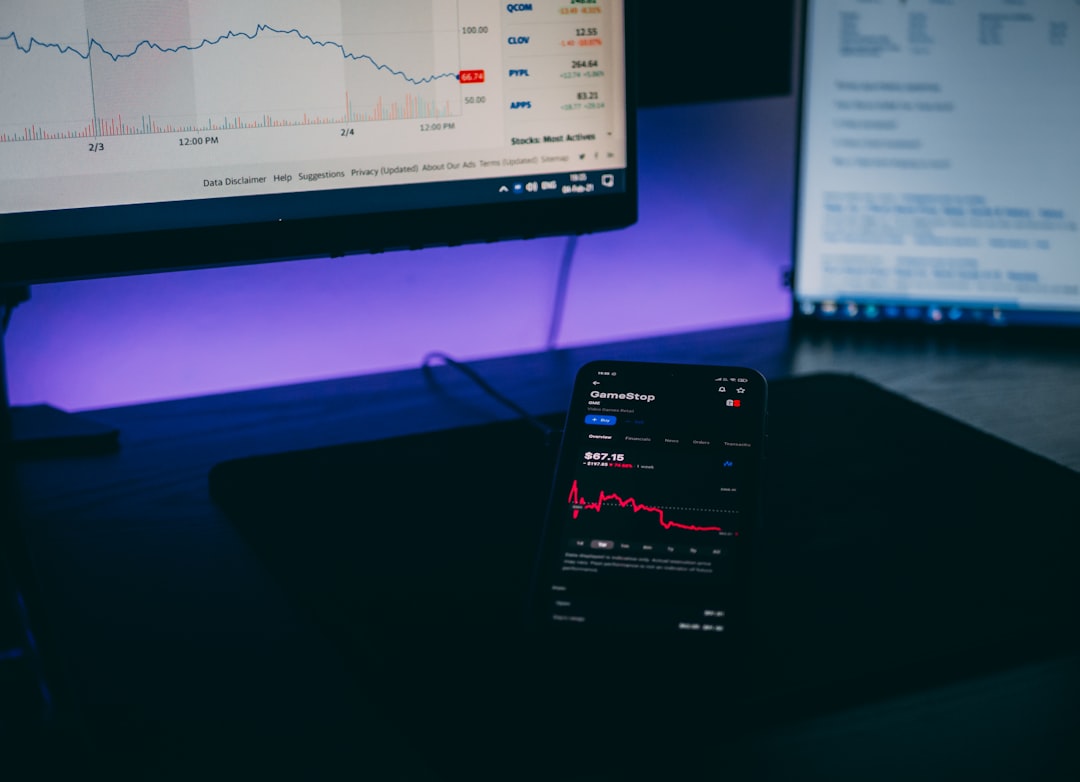
The “meme stock” phenomenon, where retail investors drove up the stock price based on internet sentiment rather than fundamental business performance, gave GameStop a temporary reprieve. It injected capital and bought them time, but it didn’t solve the core problem: their business was dying. You can have all the cash in the world, but if your product is irrelevant, you’re still toast. That money should have been invested in a radical transformation, not in more collectibles or speculative tech fads.
The Uber Eats Gambit
So, now we have Uber Eats. The news, as reported by Kotaku, highlights GameStop’s latest attempt to pivot, delivering physical games through a third-party food delivery service. The immediate reaction from anyone with half a brain cell isn’t “genius,” it’s “why?”
The “why” is obvious if you squint hard enough: convenience. GameStop wants to offer the same instant gratification as digital, but with a physical product. They’re leveraging existing store locations as mini-distribution centers and tapping into Uber Eats’ vast network of drivers. On paper, it sounds like an attempt to mimic Amazon Prime Now or Best Buy’s same-day delivery, but without investing in their own logistics infrastructure.
But the execution, and the underlying economics, are deeply flawed. Who is the target customer for a physical game delivered via Uber Eats? Someone who suddenly decided they must have a new disc-based game right now, but doesn’t want to drive to the store? Someone who prefers physical media but values speed more than the typically lower prices and instant access of digital? It feels like an incredibly niche demographic.
Consider the economics: Uber Eats isn’t cheap. Customers pay delivery fees, service fees, and often surge pricing. GameStop, already operating on thin margins for new games, will either have to eat some of those costs or pass them entirely to the consumer. The community reaction already crystalizes the issue: “Would you like to pay $10 to $15 more to play a game on disc?” That rhetorical question nails the fundamental problem. Why would anyone pay more for a physical game, delivered with additional fees, when they could buy the digital version instantly for potentially less?
The Logistics Nightmare
This isn’t just about delivery fees. Think about the operational challenges. GameStop’s inventory systems were built for walk-in customers and internal transfers, not rapid, point-to-point delivery. Do they have the staff to pick and pack orders instantly? What about returns? What about the condition of the delivered product? A game case arriving cracked or a disc scratched because it was jostled in a delivery bag is a quick path to customer dissatisfaction.
Compare this to a company like Best Buy, which has its own robust same-day delivery or curbside pickup options, or Target and Walmart, who integrate their general merchandise logistics. GameStop is piggybacking on a system designed for burritos and groceries, not high-value, specialized electronics. It feels like a square peg in a round hole, further highlighting their lack of internal infrastructure to compete in modern retail.
The Economics of Choice: Physical vs. Digital
The market has spoken, and it overwhelmingly favors digital for most consumers. The perceived benefits of physical media are shrinking, and the costs (both monetary and in terms of convenience) are rising.
| Feature | Physical Games (Traditional) | Digital Games (Modern) | Implications for GameStop’s Uber Eats Pivot |
|---|---|---|---|
| Ownership | Tangible asset, true ownership (can resell, lend) | License to play, tied to account (no resale, lending limited) | Uber Eats delivers a physical product that still has these advantages, but adds delivery cost. This is the only clear upside for the consumer. |
| Price | Often higher at launch, but drops faster; used market value | Often standard pricing at launch, frequent deep sales | Uber Eats adds delivery fees, potentially making physical even more expensive than digital, eroding the price advantage for new games. |
| Convenience | Requires store visit or delivery; disc changes; physical space | Instant download; no disc changes; always available on console | Uber Eats attempts to match digital convenience for physical, but with added cost and lead time. It’s an imperfect, expensive approximation. |
| Resale Market | Robust (GameStop’s former core business) | Non-existent | GameStop’s core value proposition (used games) is undermined by digital; Uber Eats doesn’t change this, and focusing on new physical sales avoids their profitable used market. |
| Game Preservation | Independent of storefronts; playable as long as hardware works | Dependent on storefronts staying open; risk of delisting | Physical copies, even delivered, contribute to preservation, a niche but growing concern for collectors, but not a mass-market driver. |
| Storage | Physical discs/cartridges take up space | Digital files consume console/hard drive space | Delivery of physical games doesn’t change the storage aspect, but caters to those who prefer physical. |
| Impulse Buy | Requires trip to store or planned delivery | Near-instant gratification via console storefront | Uber Eats aims to tap into impulse buying for physical, but the added cost is a significant barrier for most. |
The table makes it clear: GameStop’s Uber Eats play tries to address “convenience” for physical games, but at the expense of “price,” which is often a primary driver for choosing any retail option. For most consumers, the convenience of digital simply outweighs the diminishing returns of physical ownership. The only real advantage remaining for physical is resale value, and Uber Eats delivery of new games doesn’t even touch that.
Having covered E3 and countless product launches over the years, I’ve seen firsthand how publishers push digital. They control the narrative, the pricing, and the distribution. GameStop, in this new reality, is a middleman fighting a losing battle against direct-to-consumer digital delivery.
The Broader Retail Picture
This isn’t just about GameStop or gaming. It’s a symptom of the wider decline of brick-and-mortar retail in an e-commerce dominated world. Stores need to offer something unique, an experience that can’t be replicated online, or unparalleled convenience and value. GameStop, with its often cluttered, understaffed stores, offers neither.
Their attempt to leverage Uber Eats feels like a desperate acknowledgment that people don’t want to come to their stores anymore, but they still have all these physical locations and inventory. It’s an attempt to turn a liability (physical stores) into an asset (distribution points) using someone else’s infrastructure. But it’s a Band-Aid on a gaping wound.
Is This the End, or Just Another Delay?
This Uber Eats partnership feels like another one of GameStop’s last-ditch efforts, a move born of desperation rather than genuine strategic insight. It doesn’t address the fundamental problems of their business model, the diminishing appeal of their core product, or the overwhelming shift to digital.
Will it keep them afloat for a little longer? Maybe. Will it turn the tide? Absolutely not. It’s a minor blip, a footnote in the ongoing saga of a retail giant struggling to come to terms with its own obsolescence. The question isn’t whether physical games are dying, but whether GameStop can find a viable business model in a world that no longer values what they primarily offer. So far, the answer has been a resounding no.